To Meet the Climate Challenge, Philanthropy Must Challenge Itself
Recent rapid growth in climate philanthropy risks redundancy, waste, and friendly fire.
While CDR will be crucial in the long term, firms working toward net-zero, now, need to work toward reducing emissions.
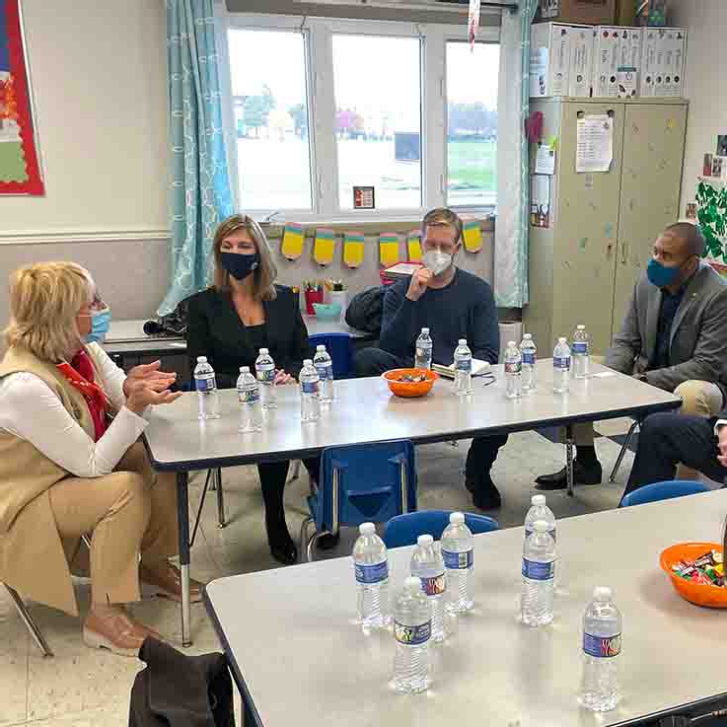
Illinois’ Climate and Equitable Jobs Act shows that transformative policymaking is dependent on a genuinely inclusive process.
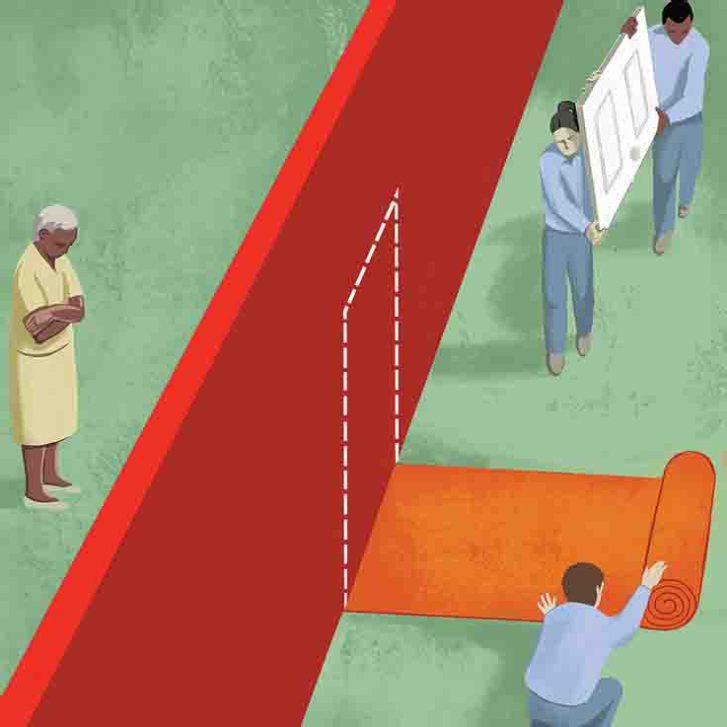
For a more equitable, inclusive, multiracial, and multiethnic democracy, we must invest substantive, resourced, and long-term decision-making power in the public.
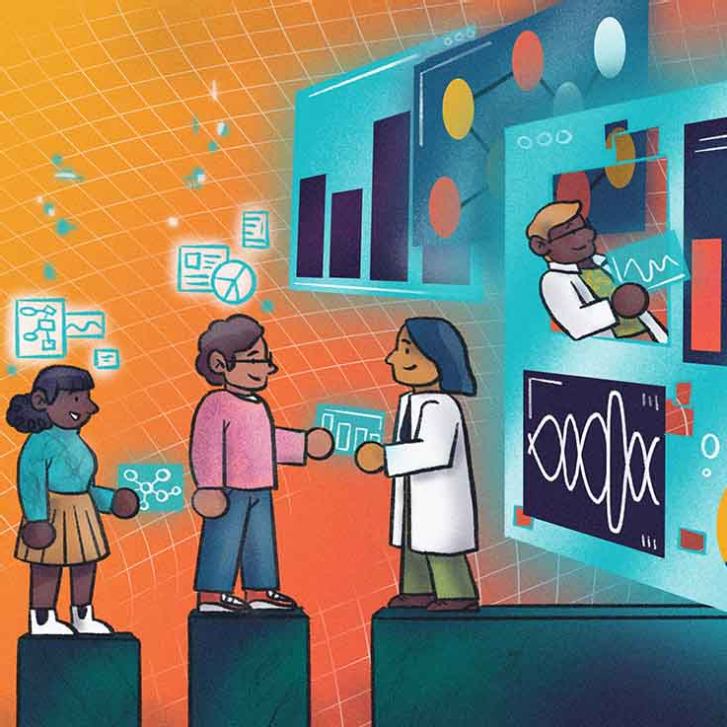
An excerpt from The Tech That Comes Next on the technology needed to create a more inclusive, equitable world.
In the final episode of this special series, Dr. Rajiv J. Shah, president of the Rockefeller Foundation, and Mark Suzman, CEO of the Bill & Melinda Gates Foundation, share how they’re redefining the role of philanthropy in addressing public health crises and preparing for future pandemics. Produced in partnership with The Pew Charitable Trusts.
Because decentralization doesn’t necessarily mean redistributing power, Web3 must make values integral to the architecture.
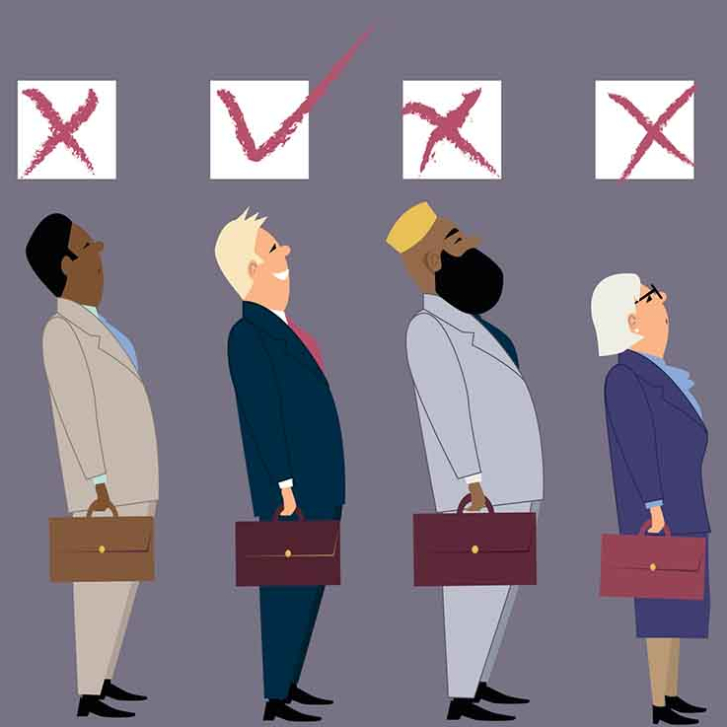
For a more inclusive form of capitalism, human capital must flourish as much as financial capital does.
Larry Kramer of the William and Flora Hewlett Foundation and La June Montgomery Tabron of the W.K. Kellogg Foundation discuss the origins of wealth inequality and its impact on American democracy. They also share how their institutions are creating new pathways for all communities to access secure and vibrant futures. Produced in partnership with The Pew Charitable Trusts.
Mergers among nonprofits don’t have to be distress-oriented deals of survival. Rather, M&A can offer some compelling opportunities that are unique to nonprofits.